◈ FIELD GEAR · KENSHOTEK · APRIL 27 2026
CARL ZEISS.
ENOUGH SAID.
ENOUGH SAID.
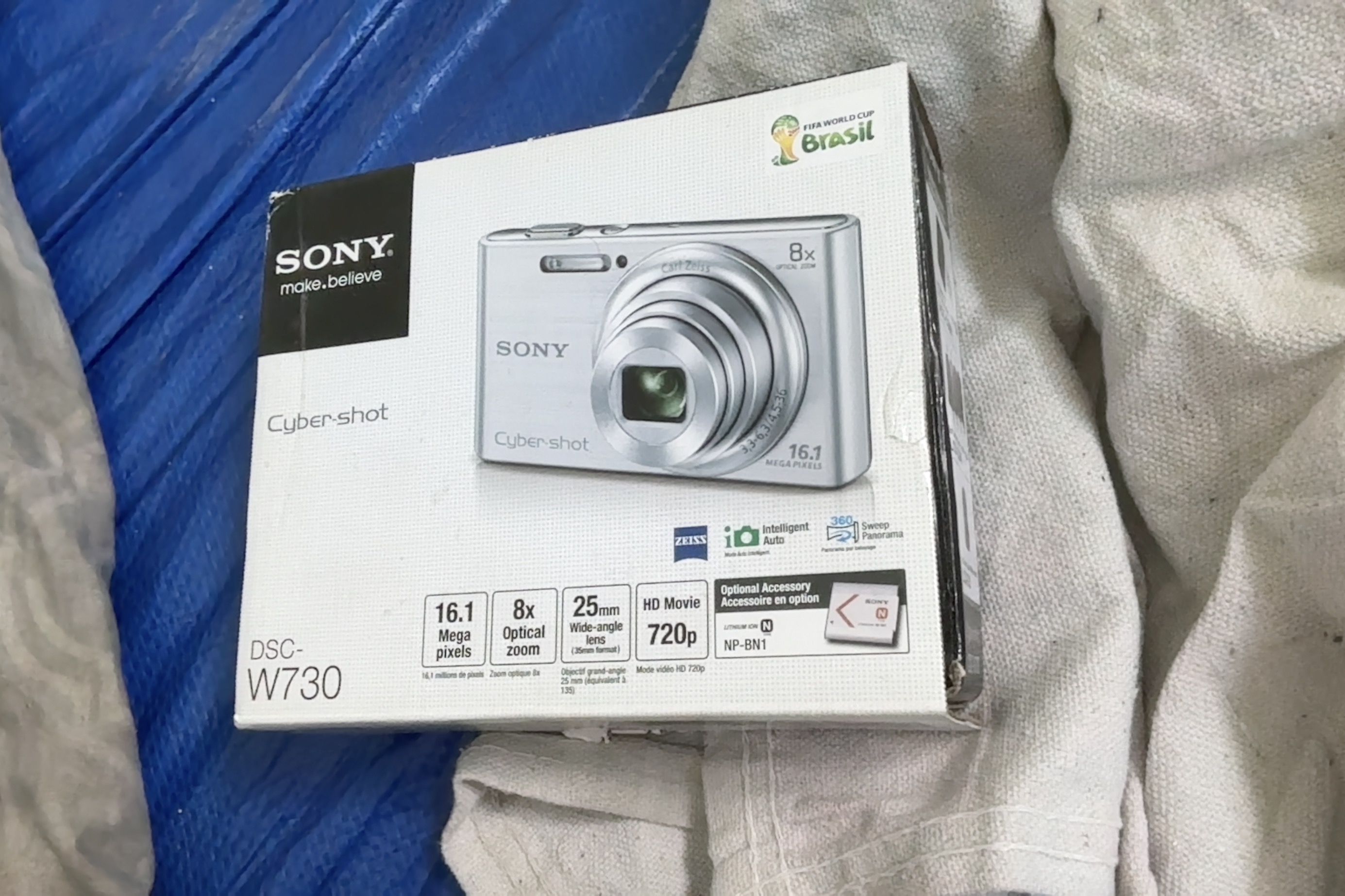
Carl Zeiss has been making optical glass since 1846. The lens coatings, the optical formula, the light transmission — none of that changes because the camera body around it retailed for $149. The Vario-Tessar designation is specific. It means Zeiss reviewed and certified the optical design. The light hitting the sensor passed through glass that Zeiss approved. That's not marketing. That's optics.
The Sony × Zeiss partnership ran through the Cyber-shot era and produced some of the best compact camera glass available outside of dedicated photographic equipment. The W730 is not a flagship. It is a field tool — pocketable, fast to draw, 25mm wide enough for the environment, 8× zoom enough to reach. The FIFA World Cup Brasil box means this was sealed since 2014. The glass has never been used in direct sunlight.
The field respects this type of object: older model, right glass, still in the box. Not vintage as aesthetic. Vintage as preserved instrument. The difference between buying something old because it looks old and holding something from 2014 because you understood in 2014 what it was.
The best camera is the one you have with you. Every photographer has said this. What they mean is: the camera you carry changes what you see, because it changes whether you reach for it or leave it in the bag. A compact camera with Zeiss glass is not a compromise. It is a decision about what kind of photographer you want to be in the field.
25mm equivalent is a field lens. Wide enough to take in the environment — the stucco wall, the plywood lean, the blue tarp, the work in progress. Wide enough to show where you are while you show what you're looking at. The DenimVue frames today came from Photo Booth on the Mac. The Sony Zeiss is what goes on the next site.