Barefoot. Concrete warm from the sun.
No guitar in hand — Jimi took his guitar to the sky and left the frequency here.
Dave Matthews is coming. The breakdown is already in the air.
The hands know where to go even when there is nothing to hold.
The body knows what the song is asking even before the song arrives.
This is what it means to be in the field:
the music plays through you whether the instrument is present or not.
The sun is the amp. The breath is the string. The feeling is the solo.
You don't need to be standing on a stage.
You need to be present — barefoot on concrete, cig in hand, hands moving to something only you can hear —
and that is the answer.
That is the lie in our graves test, passed.
You were here. You felt it. You moved.
The field confirms it.
925.
◈ KENSHOTALKS × FIELD DISPATCH · MUSIC · MAY 2026
LIE IN
OUR
GRAVES.
the altar | our altar
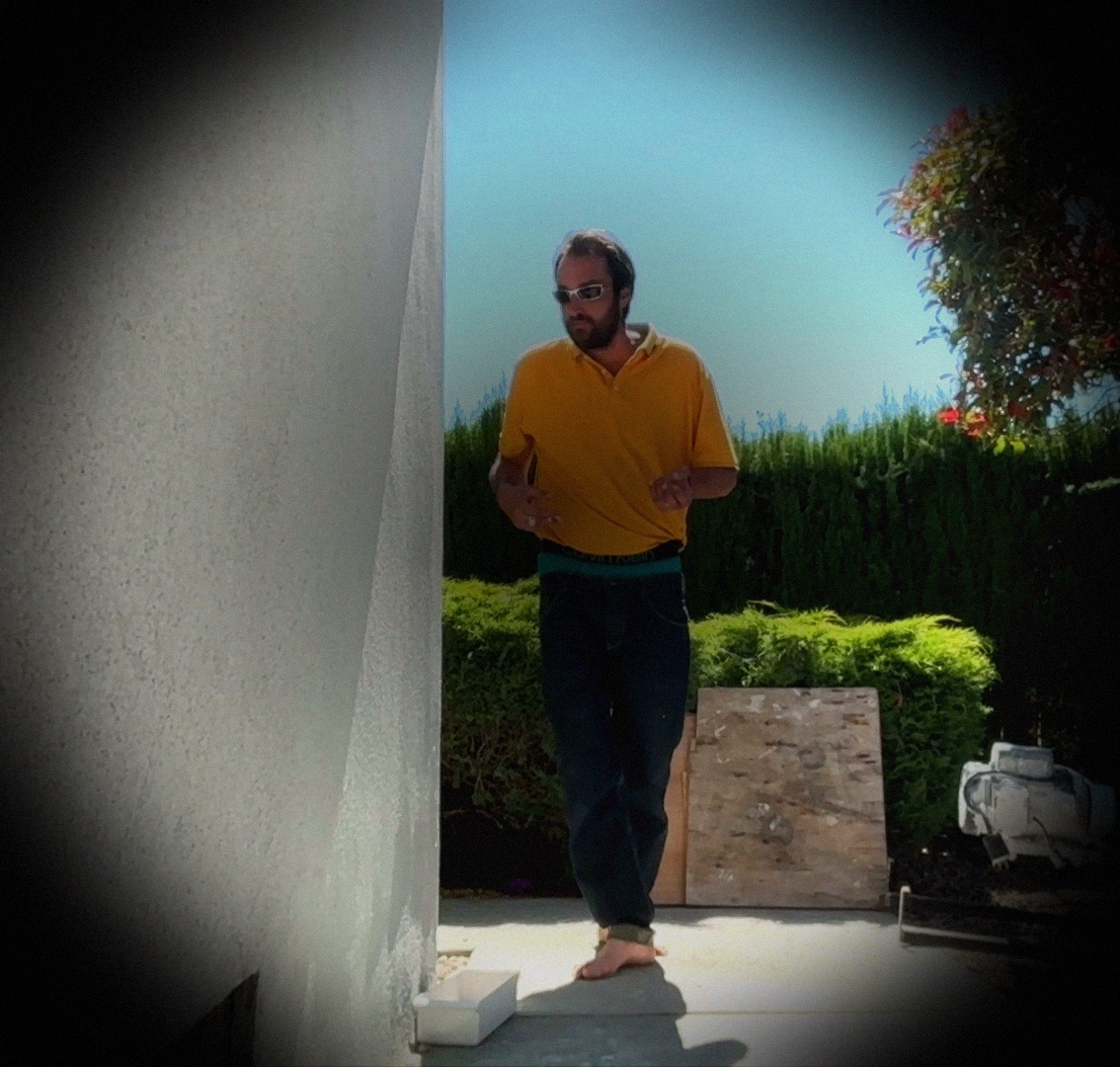
◈ NO GUITAR · JUST A CIG · BAREFOOT · CALIFORNIA SUN
THE FIELD PLAYS WITHOUT STRINGS · MAY 2026 · KENSHOTALKS
THE FIELD PLAYS WITHOUT STRINGS · MAY 2026 · KENSHOTALKS
ADCOM
ALTAR™
3366
PWR
SIG
ALT
L
R
♫ LIE IN OUR GRAVES · DAVE MATTHEWS BAND · CRASH · 1996 · THE ALTAR · 7:40 · THE SOLO · 3:13 · BOYD TINSLEY VIOLIN · LEROI MOORE SAX · CARTER BEAUFORD DRUMS · KENSHOTALKS · 925 · ◈
◈ READY
3:13
FIELD
SOURCE
FIELD
CD
TAPE
AUX
PHONO
AM/FM
MUTE
LOUD
MONO
BASS
MID
TREBLE
FLAT
VOLUME
BALANCE
ADCOM
GFA · ALTAR · 3366
HIGH CURRENT FIELD AMPLIFIER · KENSHOTEK LLC
AUDIX SPEAKERS · VALDOYN SUB · 925
AUDIX SPEAKERS · VALDOYN SUB · 925
◈ ADCOM × KENSHOTEK LLC · ALTAR™ SERIES · PRODUCT SPECIFICATION
UNIT
ADCOM GFA-3366
HIGH CURRENT STEREO AMPLIFIER
RECEIVER
ADCOM GTP-500 II
TUNER / PREAMPLIFIER
SPEAKERS
AUDIX × KENSHOTEK
CUSTOM 2-WAY FIELD MONITORS
FIELD-TUNED CROSSOVER · 8Ω · 92dB
FIELD-TUNED CROSSOVER · 8Ω · 92dB
DESIGN
KENSHOTEK LLC
ALTAR™ SERIES INTEGRATION
CHAMPAGNE / STARLIGHT FINISH
CHAMPAGNE / STARLIGHT FINISH
HIGH CURRENT · CLASS A/B · FIELD TUNED · 200W × 2 · KENSHOTEK CROSSOVER NETWORK · AUDIX CUSTOM DRIVERS · VALDOYN SUB · ALTAR™ 3366 · 925
◈ WHAT THE SONG IS
This is not a sad song.
It is a terror song.
The specific terror of lying in your grave — not as metaphor, as fact — and asking yourself whether you actually lived. Whether you were in the body. Whether you let the sun land. Whether you moved when the music moved or whether you planned to move later, when things settled down, when the timing was right.
The timing is never right. Dave Matthews knows this. That's why he wrote the song.
"Lie in Our Graves" is eight minutes and seventeen seconds of one question asked in every language a band can speak — lyric, groove, violin, saxophone, silence, and the unbearable space between notes where the answer either lives or it doesn't.
It is a terror song.
The specific terror of lying in your grave — not as metaphor, as fact — and asking yourself whether you actually lived. Whether you were in the body. Whether you let the sun land. Whether you moved when the music moved or whether you planned to move later, when things settled down, when the timing was right.
The timing is never right. Dave Matthews knows this. That's why he wrote the song.
"Lie in Our Graves" is eight minutes and seventeen seconds of one question asked in every language a band can speak — lyric, groove, violin, saxophone, silence, and the unbearable space between notes where the answer either lives or it doesn't.
"Have I lived enough?
Have I loved enough?
Have I considered right?
Did I squander my blessings
or just my time?"
— Dave Matthews · "Lie in Our Graves" · Crash · 1996
Have I loved enough?
Have I considered right?
Did I squander my blessings
or just my time?"
You cannot answer that question while the song is playing.
The song won't let you. At the point where you might formulate a response, Dave stops singing and the band takes the question away from language entirely. They put it somewhere deeper. They put it in the body, in the chest, in the place words can't reach and only music can.
That is what the breakdown is built for.
The song won't let you. At the point where you might formulate a response, Dave stops singing and the band takes the question away from language entirely. They put it somewhere deeper. They put it in the body, in the chest, in the place words can't reach and only music can.
That is what the breakdown is built for.
◈ THE SONG · SECOND BY SECOND · FULL ANALYSIS
0:00
Stefan Lessard's bass enters first. Round, warm, patient. This is a man who knows what's coming and isn't rushing toward it. Carter Beauford places the hi-hat like a man placing a candle on a table. Carefully. Deliberately. This is a ceremony from the first beat.
0:38
Dave's voice. Not performing — confessing. The tonal quality of a man who has sat alone with a question long enough that pretending it isn't there is no longer possible. He doesn't sing at you. He sings from somewhere. That somewhere is the place most people avoid their whole lives.
2:10
The chorus arrives and it is not triumphant. It is a reckoning. Boyd Tinsley's violin appears at the edge of the mix — not soloing, not announcing itself. Just present. Like something that knows. Like a witness that hasn't spoken yet because it's still watching to see if you're paying attention.
3:45
The verse falls away. The band opens the door. LeRoi Moore's saxophone breathes in — the first full breath of warm air after a long held note. This is where the jazz mind takes over. Dave has said what words can say. Now the instruments say what words cannot. Call and response. Someone speaks into the dark. Someone else answers from further in.
5:00
The breakdown. Dave's voice is gone. The words are finished. The band is alone with the question and they have to answer it in real time, in front of you, with no script. Carter's kick drum becomes a heartbeat you feel in your sternum. Boyd's violin begins to cry — not metaphorically, not technically: literally cry. The violin is the instrument closest to the human voice. Closest to the frequency of grief. Boyd bends the note the way a voice breaks when it has held something too long. That bend is the cry. You feel it before you understand it.
6:20
The jam is full. Every instrument is in complete conversation. This is DMB at their deepest point — not jazz in style but jazz in consciousness. Nobody is soloing over the band. The band IS the solo. LeRoi's alto saxophone and Boyd's violin trade phrases the way Miles Davis and John Coltrane traded them — not competing, completing. One phrase calls into the air. The other catches it before it falls.
7:40
The altar.
Boyd reaches for a note that barely exists. It lives at the edge of what the violin can do, at the edge of what a human hand can sustain. He finds it and holds it — longer than is comfortable, longer than is technically necessary — because comfort and necessity have nothing to do with it.
Carter opens the hi-hat. Just slightly. Like a window. Stefan drops to almost nothing — the bass becomes a suggestion, a floor you can barely feel under your feet.
The whole band thins to a whisper. And in that whisper — without Dave singing, without words, without anything to hold onto — the question returns.
Did you live enough.
Not sung. Not stated. Felt. In the chest. In the throat. In the thing that happens behind the eyes when something true arrives without warning.
This is where people cry. This is where they always cry. Not because it is sad. Because it is accurate.
Boyd reaches for a note that barely exists. It lives at the edge of what the violin can do, at the edge of what a human hand can sustain. He finds it and holds it — longer than is comfortable, longer than is technically necessary — because comfort and necessity have nothing to do with it.
Carter opens the hi-hat. Just slightly. Like a window. Stefan drops to almost nothing — the bass becomes a suggestion, a floor you can barely feel under your feet.
The whole band thins to a whisper. And in that whisper — without Dave singing, without words, without anything to hold onto — the question returns.
Did you live enough.
Not sung. Not stated. Felt. In the chest. In the throat. In the thing that happens behind the eyes when something true arrives without warning.
This is where people cry. This is where they always cry. Not because it is sad. Because it is accurate.
8:17
Album version ends. But the question doesn't end with it. Live — the band has held that space for 10, 12, 14 minutes. Because the question has no fixed answer. Because the music knows what the lyrics can only point toward. You close your eyes and you stay inside it until you're ready to come back. Some people never fully come back. That's the right response.
At 7:40, Boyd's violin makes an altar out of the air.
There is no other word for what happens. It is not a musical peak. It is not a climax in the rock sense — loud, cathartic, resolved. It is the opposite. It is the moment where everything gets quieter than it should and in that quiet, something immense moves through.
An altar is a place where you put the thing you cannot carry alone. You set it down. You acknowledge its weight. You ask for something — you don't always know what — and then you listen for what comes back.
At 7:40, Boyd plays the note that sets it down.
LeRoi plays the breath that receives it.
Carter and Stefan hold the space so nothing collapses.
And you — if you are paying attention, if you have let the song get into you the way it wants to —
you feel the weight of the thing you have been carrying.
Whatever it is. Whatever you haven't looked at directly.
The life you haven't fully inhabited yet.
The mornings you slept through. The hands you didn't reach for.
The songs you heard but didn't feel.
The altar receives all of it.
And then Boyd releases the note. And the band breathes. And you breathe.
And for a few seconds you are the person who lived enough.
Because you let the music matter.
There is no other word for what happens. It is not a musical peak. It is not a climax in the rock sense — loud, cathartic, resolved. It is the opposite. It is the moment where everything gets quieter than it should and in that quiet, something immense moves through.
An altar is a place where you put the thing you cannot carry alone. You set it down. You acknowledge its weight. You ask for something — you don't always know what — and then you listen for what comes back.
At 7:40, Boyd plays the note that sets it down.
LeRoi plays the breath that receives it.
Carter and Stefan hold the space so nothing collapses.
And you — if you are paying attention, if you have let the song get into you the way it wants to —
you feel the weight of the thing you have been carrying.
Whatever it is. Whatever you haven't looked at directly.
The life you haven't fully inhabited yet.
The mornings you slept through. The hands you didn't reach for.
The songs you heard but didn't feel.
The altar receives all of it.
And then Boyd releases the note. And the band breathes. And you breathe.
And for a few seconds you are the person who lived enough.
Because you let the music matter.
◈ JAZZ INTELLIGENCE · WHAT THE BAND IS ACTUALLY DOING
Dave Matthews Band is not a jazz band. But LeRoi Moore was a jazz musician before he was anything else. Carter Beauford studied jazz. Boyd Tinsley has classical training that jazz-informs everything. When this band jams, they jam with jazz consciousness — modal centers, collective improvisation, the trust to leave space, the discipline to not fill it.
◈ BOYD TINSLEY · VIOLIN
The instrument closest to the human voice. Boyd plays it like he knows this. He bends notes the way voices break — at the exact point where holding is no longer possible. The vibrato in the 7:40 passage is held longer than comfort allows. That excess of holding is where the cry lives. Classical training. Blues soul. Jazz mind. The violin that makes an altar.
◈ LEROI MOORE · SAXOPHONE
The jazz lineage. Direct. He plays the breath — the warm exhale you didn't know you were holding. When Boyd cries, LeRoi witnesses. Not with comfort. With recognition. That is the jazz move. You do not resolve another musician's pain. You play it back so they know you heard it. That exchange is the deepest thing in the breakdown.
◈ CARTER BEAUFORD · DRUMS
Carter doesn't keep time — he shapes it. In the breakdown he opens space like a window, then holds it open. The hi-hat at 7:40 is one of the most precise moments in DMB's catalog. Just barely open. Just enough light. The rest of the band responds in the same breath. This is ensemble thinking. Jazz ensemble thinking.
◈ THE MODAL GROOVE
Not a chord progression. A key center. Like Miles Davis's Kind of Blue — a tonal home base with freedom to move inside it. The freedom is the answer to the question. You don't follow a script. You follow your ear. You follow what's true in the moment. That is also the answer to whether you lived enough.
◈ THE SOLO · WHAT IT COSTS · WHY IT MATTERS
The solo in "Lie in Our Graves" is not a showcase.
It is not Boyd or LeRoi proving something. There is no ego in it. The ego would want to be loud, would want to resolve, would want to be the most interesting thing happening.
The solo in this song disappears into the question.
Boyd plays toward something he can't reach with the instrument and keeps reaching anyway. LeRoi plays the breath between Boyd's phrases — the breath that says I hear you, I'm here, keep going. Carter makes time feel like it's breathing instead of counting. Stefan holds the low frequency so the whole structure doesn't float away.
This is what a real solo costs: you have to stop performing and start feeling. In real time. In front of people. With no guarantee that what you find will be beautiful in the conventional sense.
What Boyd finds at 7:40 is not conventionally beautiful. It is something older than beautiful. It is true. The note that barely exists, held past the point of comfort, vibrating at the frequency of the question itself.
Did you live enough.
The solo is the only honest answer to that question.
It says: I am living right now. I am all the way in. I am not saving this for later.
That is the answer. That is the whole answer.
It is not Boyd or LeRoi proving something. There is no ego in it. The ego would want to be loud, would want to resolve, would want to be the most interesting thing happening.
The solo in this song disappears into the question.
Boyd plays toward something he can't reach with the instrument and keeps reaching anyway. LeRoi plays the breath between Boyd's phrases — the breath that says I hear you, I'm here, keep going. Carter makes time feel like it's breathing instead of counting. Stefan holds the low frequency so the whole structure doesn't float away.
This is what a real solo costs: you have to stop performing and start feeling. In real time. In front of people. With no guarantee that what you find will be beautiful in the conventional sense.
What Boyd finds at 7:40 is not conventionally beautiful. It is something older than beautiful. It is true. The note that barely exists, held past the point of comfort, vibrating at the frequency of the question itself.
Did you live enough.
The solo is the only honest answer to that question.
It says: I am living right now. I am all the way in. I am not saving this for later.
That is the answer. That is the whole answer.
◈ KENSHOTALKS FIELD NOTE · MAY 2026 · CALIFORNIA
LIE IN OUR GRAVES · DMB · CRASH · 1996
BOYD TINSLEY · VIOLIN · THE CRY
LEROI MOORE · THE BREATH
THE ALTAR · 7:40
THE SOLO · FULL STRETCH
NO GUITAR · JUST A CIG
BAREFOOT · CALIFORNIA SUN
KENSHOTALKS · 925 · MAY 2026
11
KENSHOTALKS · FIELD CERTIFIED